Your Cart is Empty

Winter brings noticeable changes to a horse’s routine, environment, and nutritional needs. Colder temperatures, reduced pasture access, and less movement can all impact digestive health. Understanding how winter weather affects the equine digestive system allows horse owners to make informed decisions that support gut function and overall wellbeing throughout the colder months.
A horse’s digestive system is designed to function best with consistent forage intake and regular movement. During winter, these patterns often change. Horses may rely more heavily on hay, spend more time standing indoors, and drink less water. Each of these factors can influence digestion and increase the risk of common winter related digestive issues.
Cold weather can significantly reduce a horse’s water consumption. When temperatures drop, horses may be less inclined to drink cold water, especially if it is icy or partially frozen.
Ensuring constant access to clean, unfrozen water is one of the most important steps in supporting digestive health during winter. Slightly warmed water can encourage drinking and help maintain proper hydration.
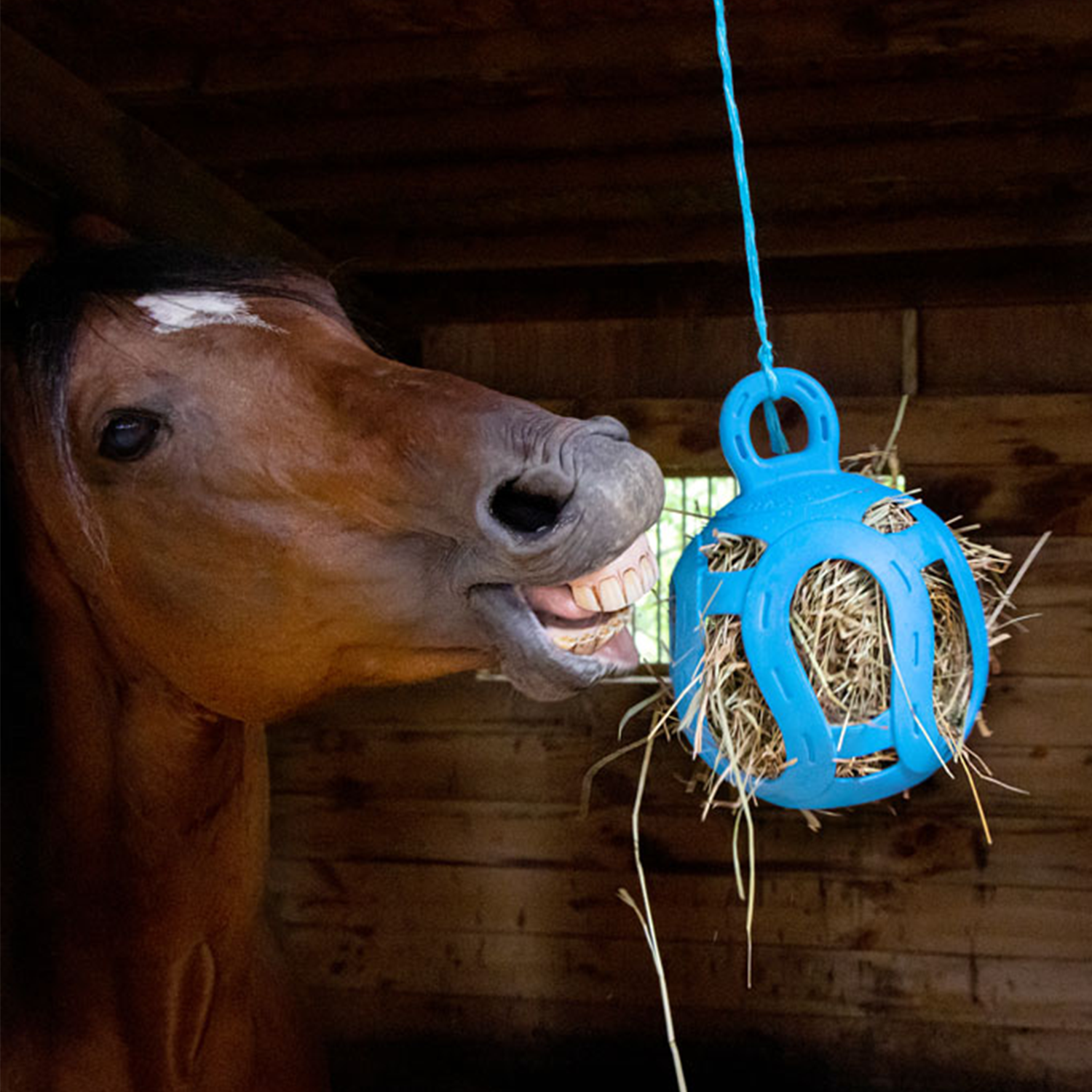
With limited or no access to pasture, horses depend more on hay during winter months. While hay is essential for maintaining gut motility and body heat, sudden changes in forage type or quantity can disrupt digestion. Slow feeding options can also encourage natural eating patterns and reduce digestive stress.

Winter weather often limits turnout time and reduces overall movement. Regular movement plays a key role in stimulating gut motility. When horses are confined for longer periods, digestion can slow, increasing the likelihood of discomfort or colic.
Whenever conditions allow, providing safe turnout areas or encouraging light exercise can support digestive function. Even short periods of movement can make a meaningful difference.
Changes in routine, housing, and social interaction can increase stress levels during winter. Stress has a direct impact on gut health, potentially disrupting the balance of beneficial bacteria in the digestive system.
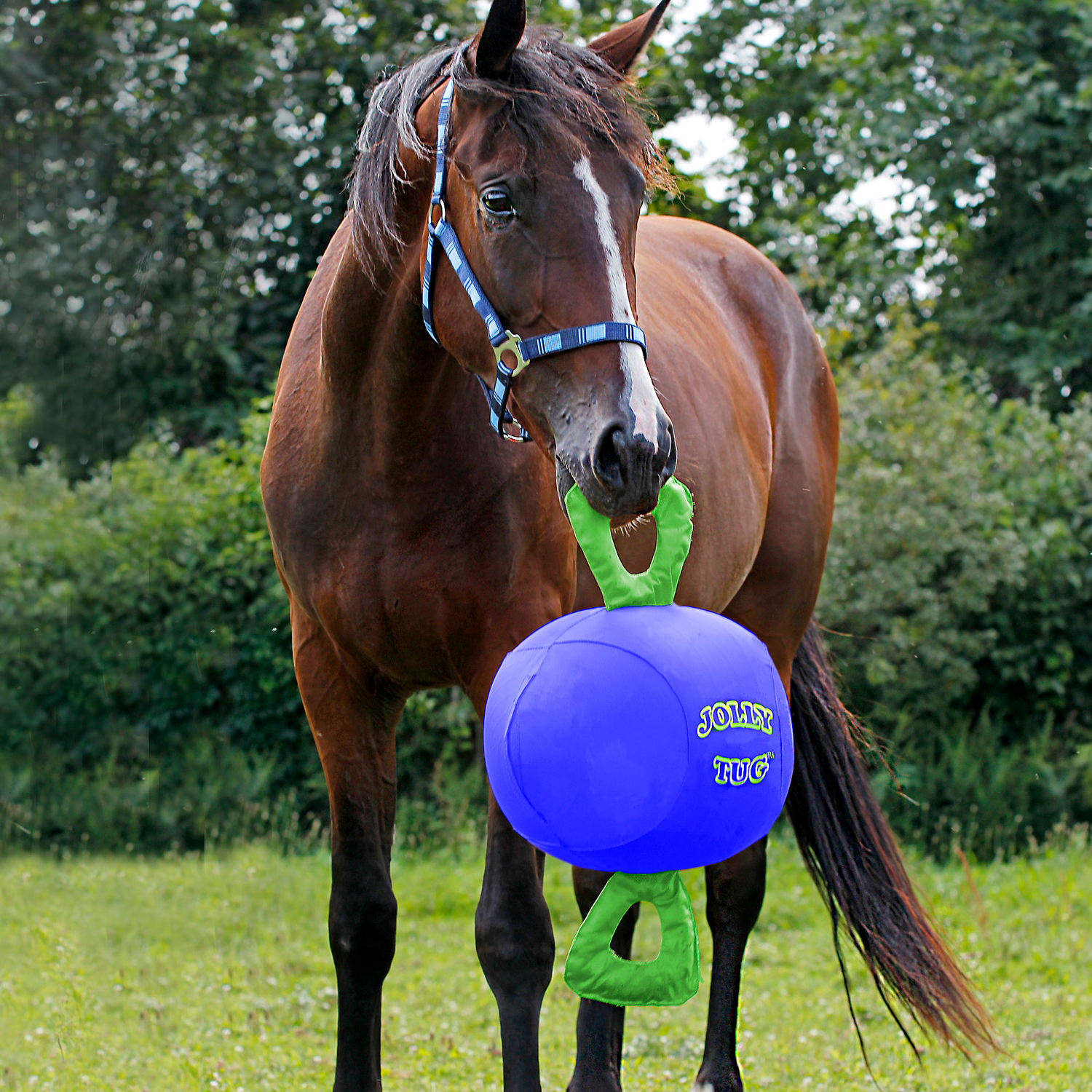
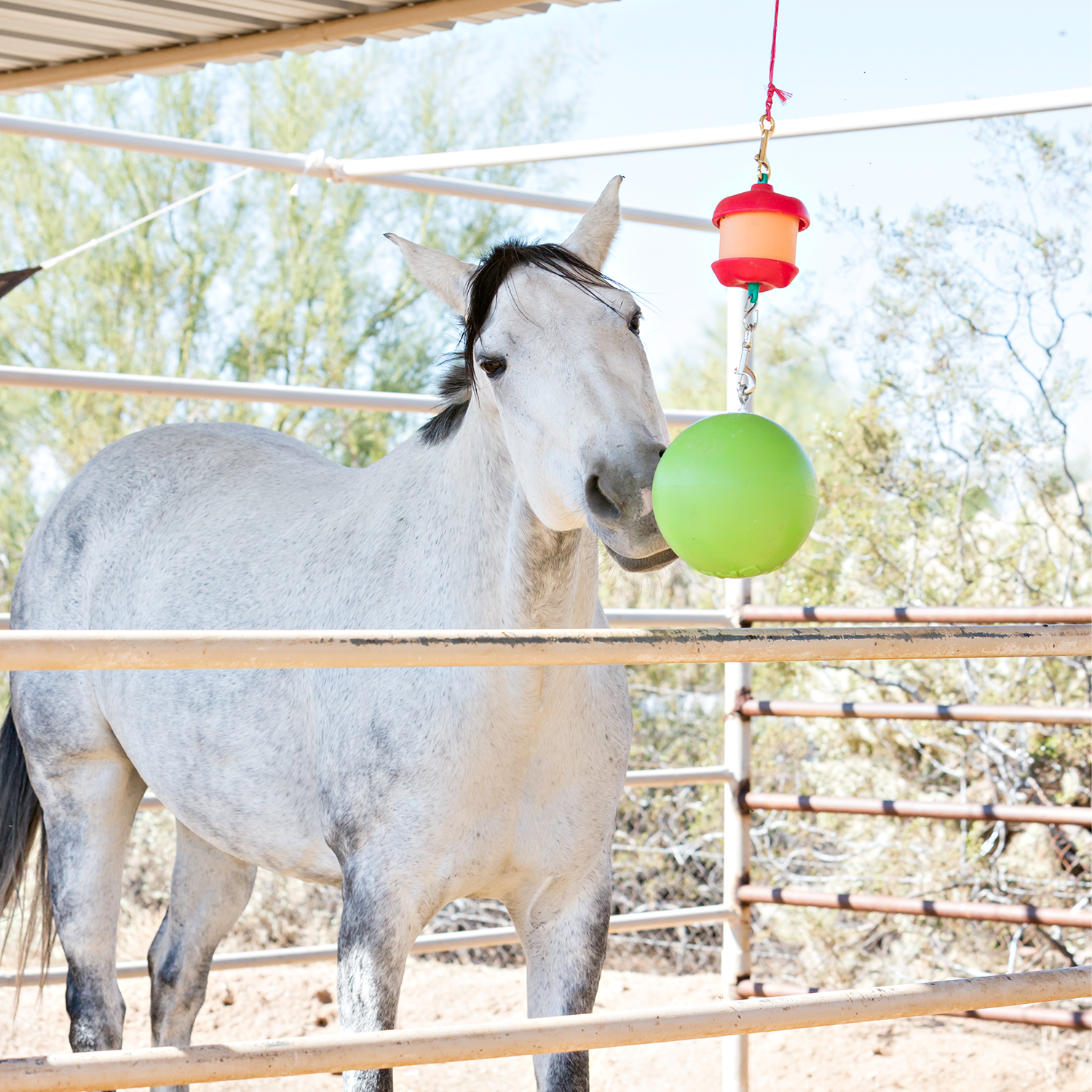
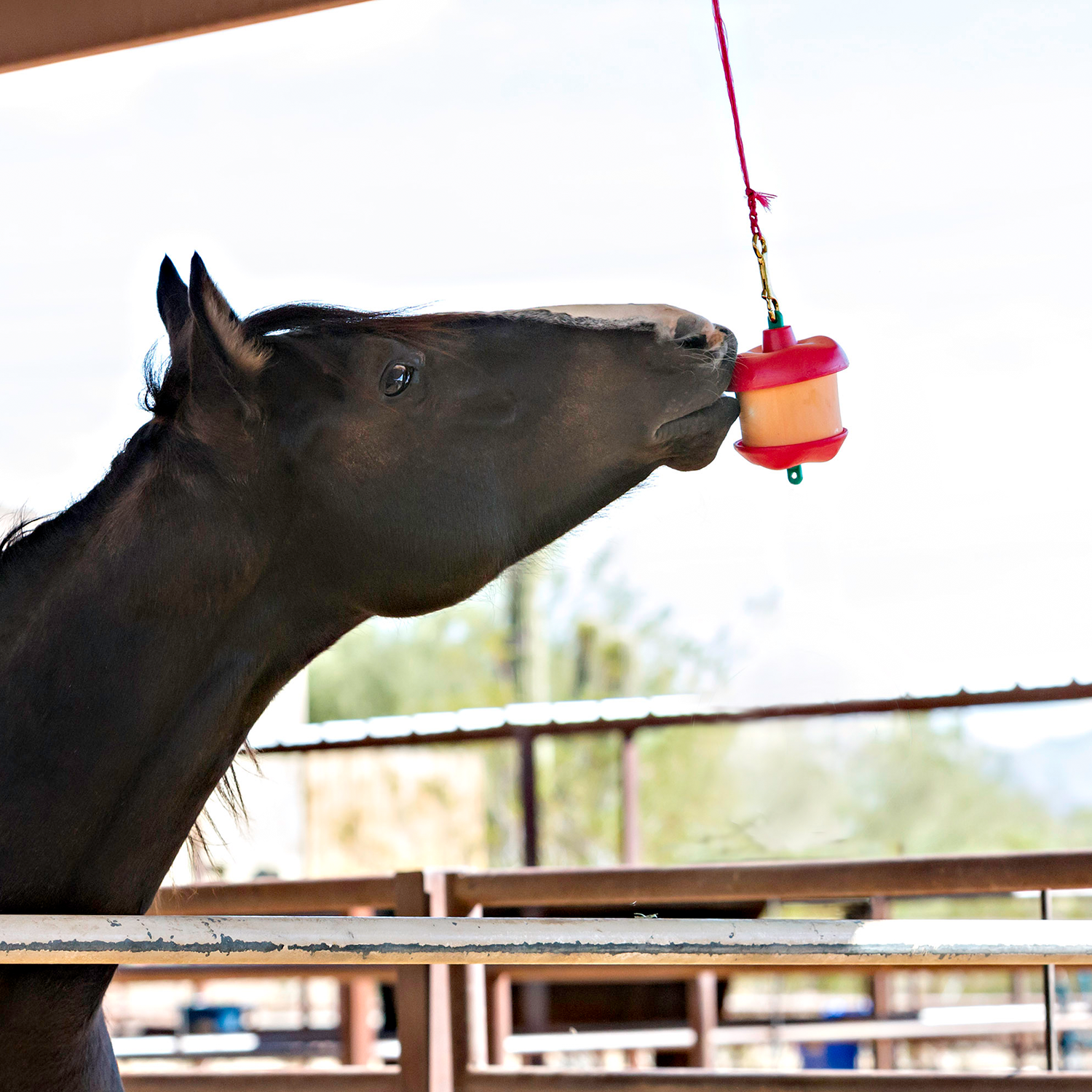
Maintaining consistent schedules, providing enrichment, and minimizing unnecessary changes can help reduce stress and support digestive stability.
Several digestive concerns are more common during winter, including impaction colic, gas buildup, and reduced manure output. Monitoring manure consistency, frequency, and overall behavior can provide early warning signs of digestive trouble.
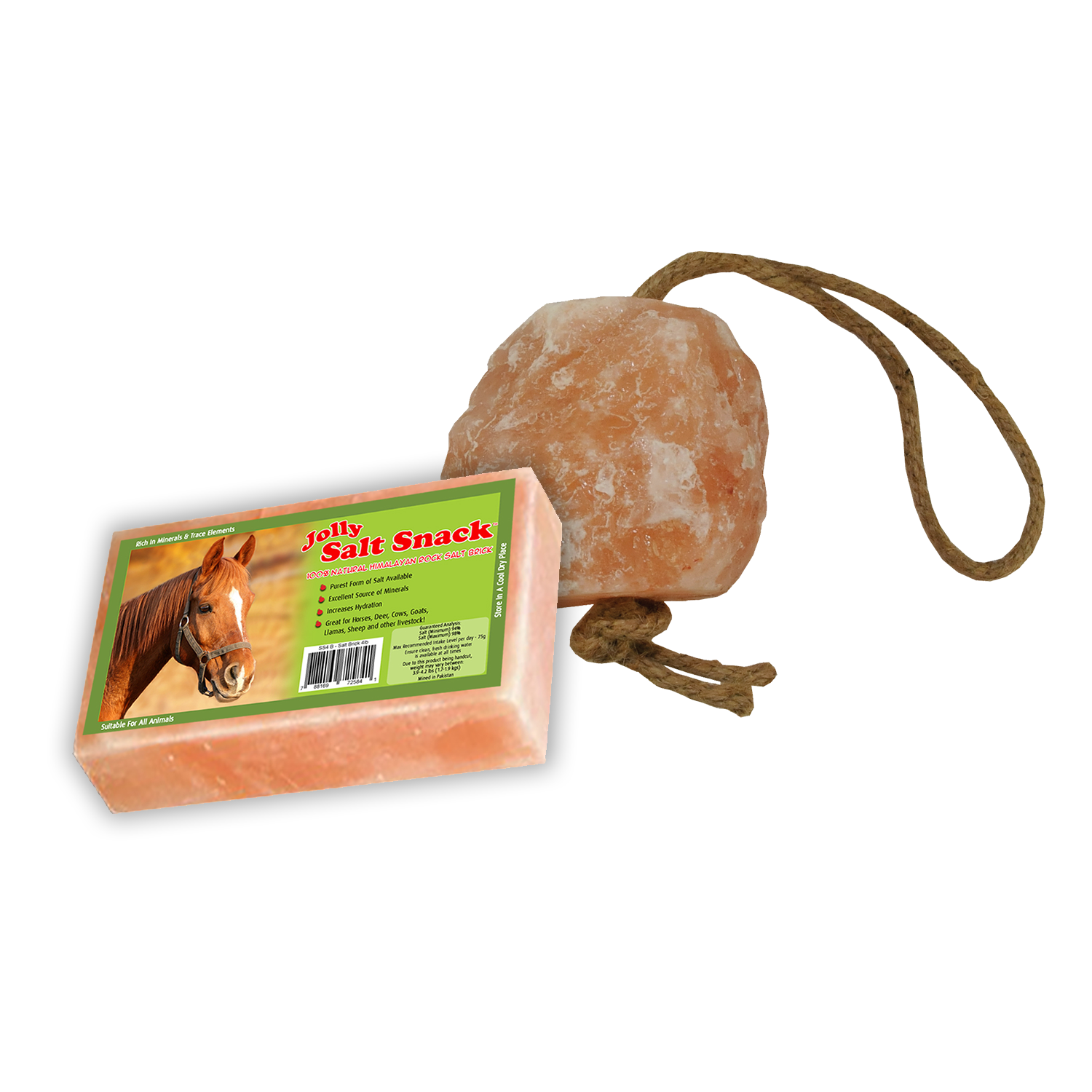
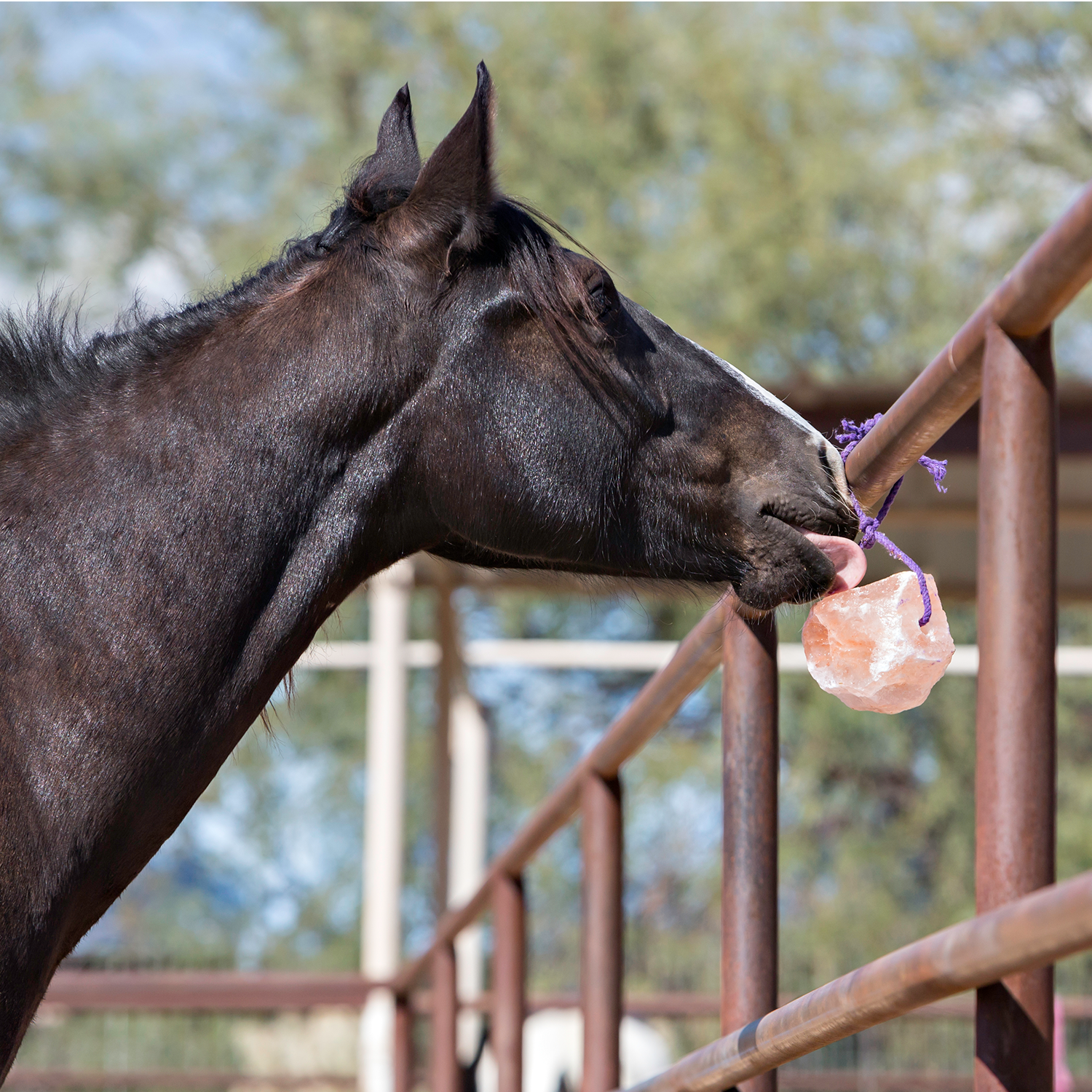
Regular access to salt encourages drinking, while routine dental care ensures horses can properly chew forage, supporting efficient digestion.

Winter weather presents unique challenges, but proactive management can greatly reduce digestive risks. By understanding how winter conditions affect digestion and making thoughtful adjustments, horse owners can support their horses’ comfort, health, and performance throughout the colder months and into spring.